
Designing Comfort That Keeps Members Moving

A studio space carries a high, intermittent occupancy load. Supply air has to reach people without landing on them, and the return path has to move the design airflow back to the unit between classes.
Three selection decisions follow: the discharge pattern at the supply outlet, the free area at the return face, and the outside-air and dehumidification duty, which is set in the system design rather than by any one component.
To size this for a real room, send the floor area and ceiling height, the class size and schedule, the design airflow, and the outside-air rate the project requires.
Disclaimer: names & details may have been altered to protect sensitive information
Three constraints, and the products that answer them
Precision engineering transforms complex environmental challenges into strategic opportunities for performance and efficiency.

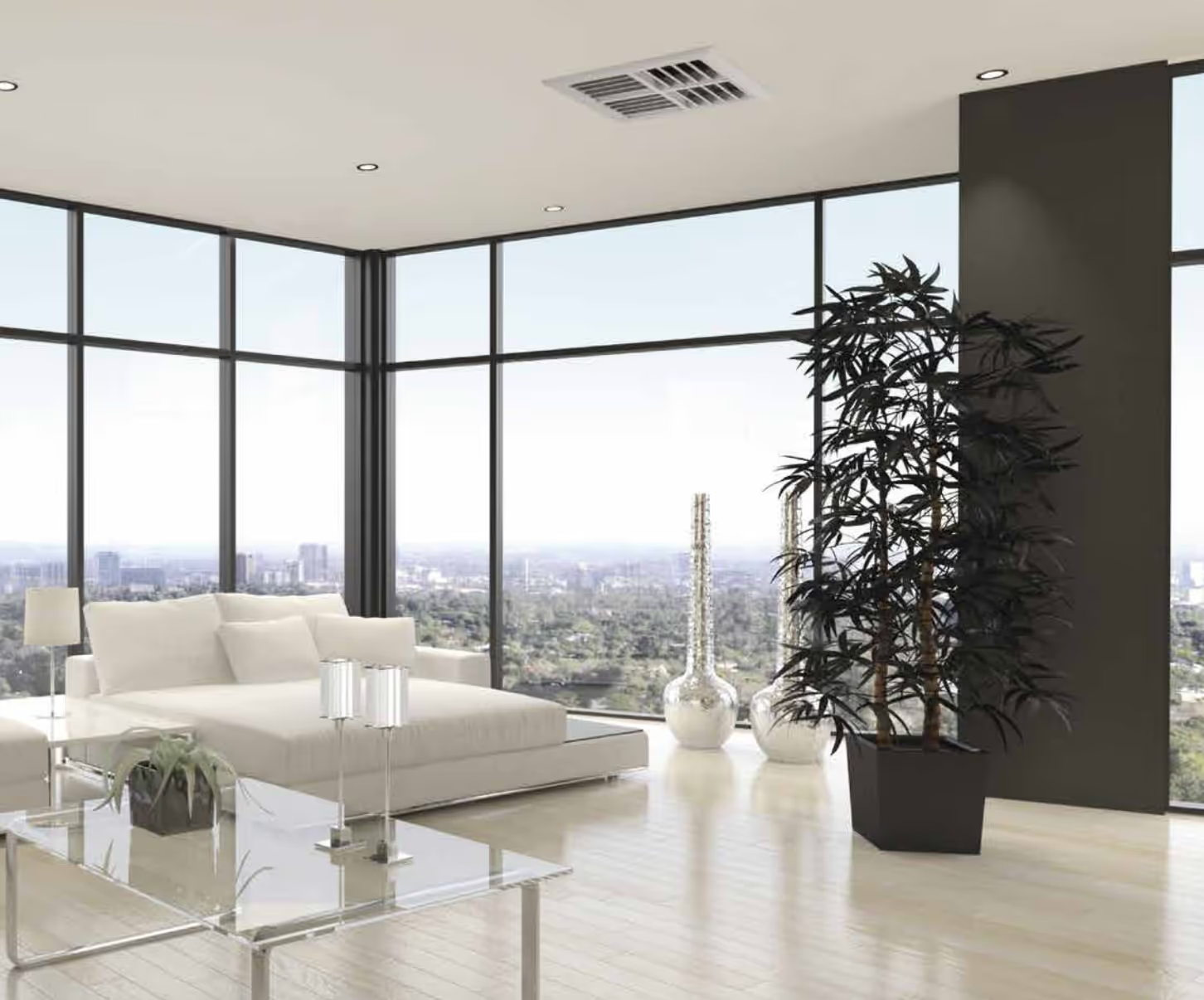
Choosing a supply discharge pattern
Occupant density calls for air movement, and the discharge pattern decides whether that movement is felt as comfort or as a draft at floor level.
Adjustable vanes set the discharge direction at commissioning and can be reset when the room layout changes. Sourcing enquiry: this family is not listed in the current Staark catalogue. Send face sizes, neck sizes and quantities.
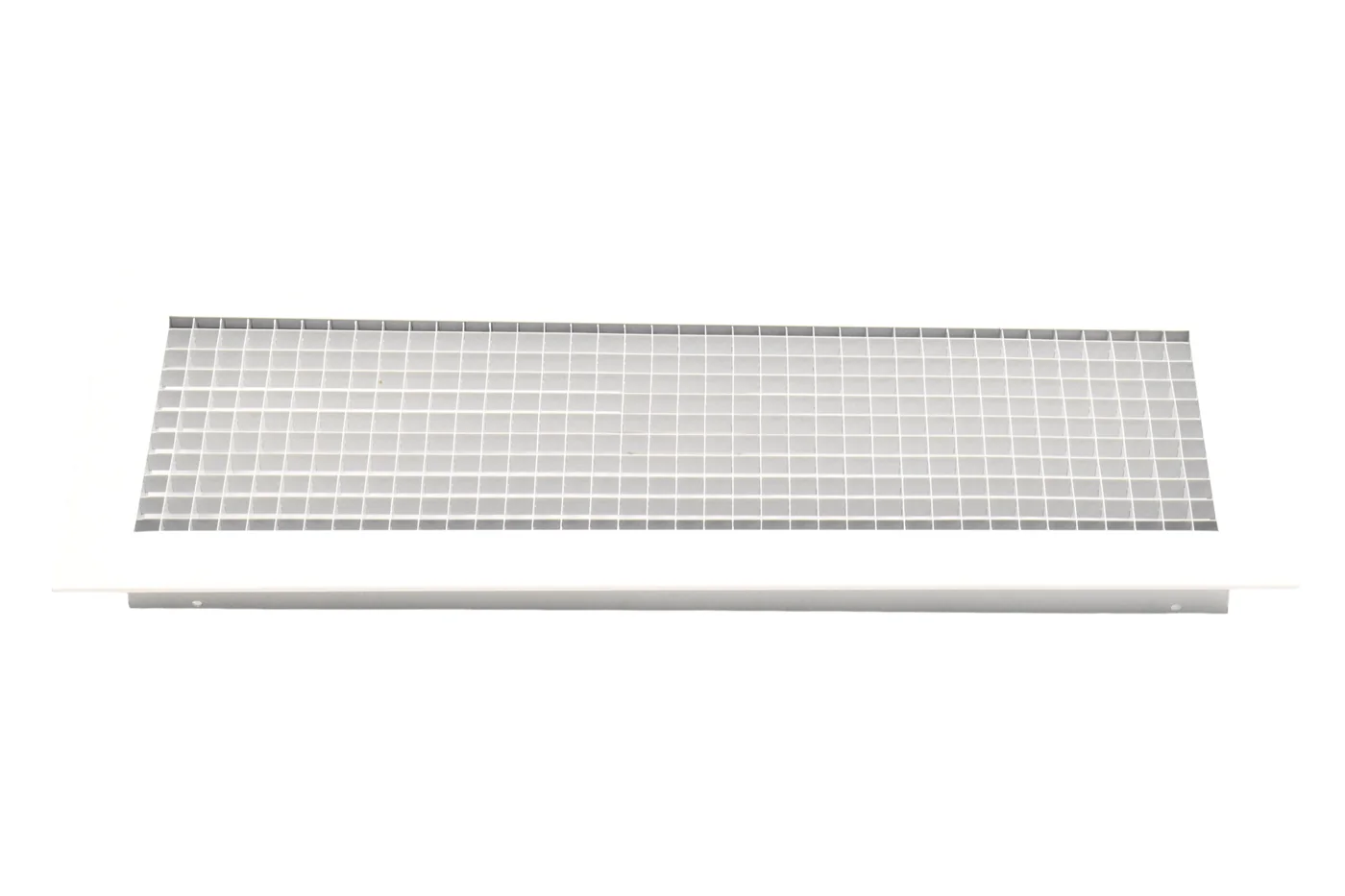
Sizing the return path
The return face has to pass the system's design airflow. Free area and face size set the velocity at the grille, which is what governs pressure loss and generated noise.
An egg crate core offers a high free area for a given face size, so the same airflow can be returned through a larger effective open area. The catalogue lists ten sizes from 150 x 150 mm to 1150 x 550 mm, plus a hinged filter core variant for filter access. Select the face size against the design airflow and the target face velocity.
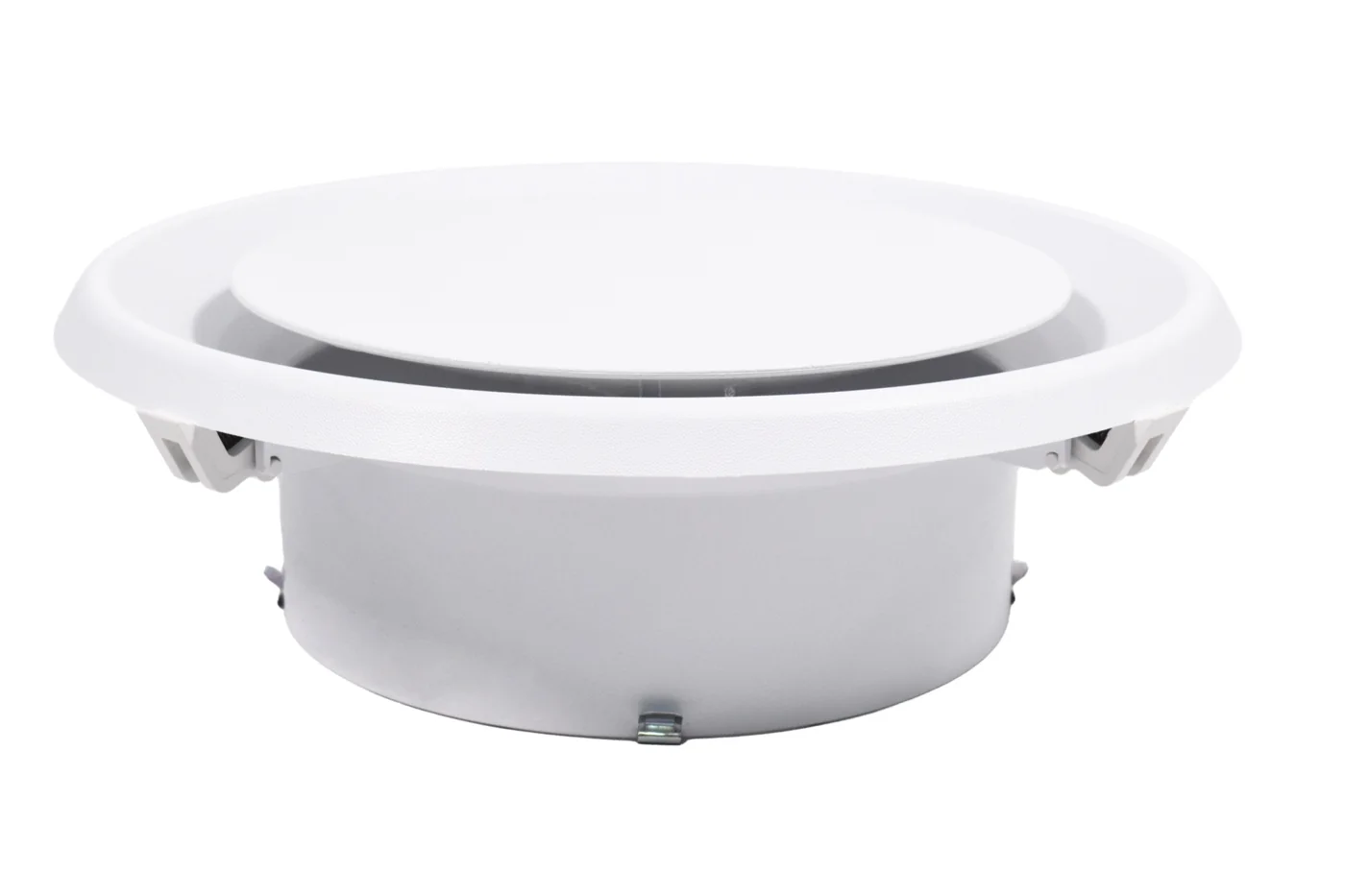
Delivering outside air across the room
Outside-air rate and dehumidification duty are set in the system design. The outlet's job is to distribute that air evenly once it reaches the room.
A round ceiling cone diffuser discharges radially, spreading supply air along the ceiling before it reaches the occupied zone. Listed in 150, 200, 250 and 300 mm nominal diameters. Confirm the neck size against the branch airflow.
Ready to transform your workspace?
Explore how Staark can deliver precision HVAC solutions tailored to your specific environmental challenges
